
Faculty
Caitlin O’Grady
Assistant Professor in the Anthropology Department and the UCLA/Getty Program in the Conservation of Cultural Heritage

Caitlin is an objects conservator with a specialty in archaeological materials and a conservation scientist with research interests in nondestructive analytical technologies and technical reconstructions of original manufacturing technologies and artifact deterioration to inform conservation.
Contact Information
Email: caitlin.ogrady@anthro.ucla.edu
Office: Office: Fowler A410
Glenn Wharton
Lore and Gerald Cunard Chair, UCLA/Getty Program in the Conservation of Cultural Heritage and Professor of Art History and Conservation of Material Culture

Archaeological Conservation; Illicit trade; Cultural heritage management, Contemporary Art Conservation with specialization in time-based media; Artist archives; Addressing social justice, inclusion, and climate change in conservation.
Contact Information
Email: glennwharton@ucla.edu
Office: Fowler A410
Phone: (310) 794-4855
Thiago Sevilhano Puglieri
Assistant Professor of Art History and Cultural Heritage Conservation

Technical Art History, Conservation Science, and Indigenous Cultural Heritage
Faculty Advisory Committee
The Faculty Advisory Committee (FAC) oversees all curricular affairs relating to the Interdepartmental Program in the Conservation of Cultural Heritage. The committee members serve an annual renewable term and meet at least annually to discuss and vote on any changes to courses offered by the program, degree requirements and educational policy. In addition, the FAC makes recommendations as to the budget and planning aspects of the program.
Solange Ashby, Assistant Professor Department of Near Eastern Languages & Cultures
 Solange Ashby is an Assistant Professor in the Department of Near Eastern Languages & Cultures. Solange received her Ph.D. in Egyptology with a specialization in ancient Egyptian language and Nubian religion from the University of Chicago. Dr. Ashby’s expertise in sacred ancient languages including Egyptian hieroglyphs, Demotic, and Coptic, Ethiopic, Biblical Greek and Biblical Hebrew underpins her research into the history of religious transformation in Northeast Africa and the Middle East. Her first book, Calling Out to Isis: The Enduring Nubian Presence at Philae, explores the temple of Philae’s history as a Nubian sacred site. Her current research describes the roles of women – queens, priestesses, mothers – in traditional Nubian religious practices.
She is a founding member of the William Leo Hansberry Society which seeks to create pathways for people of African descent – on the continent and in the diaspora – to engage in the study of African antiquity.
Michelle Caswell, Professor of Archival Studies in the Department of Information Studies
 Michelle Caswell, Ph.D., is a Professor of Archival Studies in the Department of Information Studies at the University of California, Los Angeles. Caswell directs a team of students at UCLA’s Community Archives Lab, which explores the ways that independent, identity-based memory organizations document, shape, and provide access to the histories of minoritized communities with a particular emphasis on understanding their affective, political, and artistic impact. In 2008, together with Samip Mallick, Caswell co-founded the South Asian American Digital Archive, an online repository that documents and provides access to the stories of South Asian Americans. She is the author of the books, Urgent Archives: Enacting Liberatory Memory Work (Routledge Press, 2021) and Archiving the Unspeakable: Silence, Memory and the Photographic Record in Cambodia (University of Wisconsin Press, 2014), as well as more than 40 peer-reviewed articles in critical archival studies.
Justin Dunnavant, Assistant Professor, Department of Anthropology

Justin Dunnavant is an Assistant Professor in the Department of Anthropology at UCLA. He holds a BA in History and Anthropology from Howard University and an MA and Ph.D. from the University of Florida. While his former research interrogated the history and representation of minority groups in southern Ethiopia, his current work in the US Virgin Islands investigates the relationship between ecology and enslavement in the former Danish West Indies. Justin has conducted archaeological research in US Virgin Islands, Belize, Jamaica, Ethiopia, Tanzania, Mozambique, and The Gambia. In addition to his archaeological research, Justin is co-founder and President of the Society of Black Archaeologists, an AAUS Scientific SCUBA Diver, and consults for the Smithsonian’s National Museum of African American History and Culture. In 2021, he was inducted into The Explorers Club as one of “Fifty People Changing the World that You Need Know About” and selected as a National Geographics Emerging Explorer. His research has been featured on Netflix’s “Explained,” Hulu’s “Your Attention Please” and in print in American Archaeology and Science Magazine.
Michael Osman, Associate Professor, Architecture & Urban Design
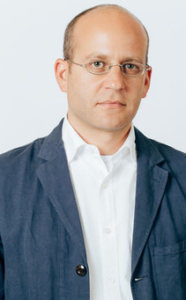
Michael Osman’s research in architectural history focuses on the 19th and 20th centuries, with a particular emphasis on buildings and cities in the United States. He seeks connections between the infrastructure that undergirds the processes of modernization and the historiography of modernist architecture. The topics of his writing include: the influence of ecological science on theories of city growth, early instruments for remote sensing, and the architectural profession’s relation to modern construction processes. Osman is the author of Modernism’s Visible Hand: Architecture and Regulation in America (University of Minnesota Press, 2018), a book on the role buildings have played in developing systems for environmental and economic regulation. He also works on critical problems in modernism’s historiography such as his examination of Reyner Banham’s use of the term “ecology,” an analysis of the metaphysical aspirations latent in twentieth-century writings on concrete, and a forthcoming co-edited volume on the uses of evidence and narrative in architectural history. Osman is one of the founding members of Aggregate: The Architectural History Collaborative, a platform for exploring new methods in architectural history. He co-curated a portion of the exhibition “Frank Lloyd Wright at 150: Unpacking the Archive” at the Museum of Modern Art. His research has been supported by fellowships from the University of California Humanities Research Institute, the National Science Foundation and the Fulbright Program. He currently directs the Department’s MA and PhD programs.
Lothar von Falkenhausen, Professor, Art History
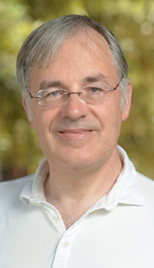
Lothar von Falkenhausen is Professor of Chinese Archaeology and Art History at UCLA, where he has taught since 1993. He was educated at Bonn University, Peking University, Kyoto University, and Harvard University, and received his PhD in anthropology from Harvard in 1988. His research concerns the archaeology of the Chinese Bronze Age, focusing on large interdisciplinary and historical issues on which archaeological materials can provide significant new information. He has published copiously on musical instruments, including a book, Suspended Music: Chime Bells in the Culture of Bronze Age China (1993); Chinese bronzes and their inscriptions; Chinese ritual; regional cultures; trans-Asiatic contacts; the history of archaeology in East Asia; and method and theory in East Asian archaeology. His Chinese Society in the Age of Confucius (1000-250 BC): The Archaeological Evidence (2006) received the Society for American Archaeology Book Award. Falkenhausen was co-Principal Investigator of an international archaeological project on ancient salt production in the Yangzi River basin (1999-2004) and is presently serving as Instructor of Record of the International Archaeological Field School at Yangguanzhai (2010-). He serves on the Scientific Council of the French School of Far Eastern Studies and on President Obama’s Cultural Property Advisory Committee. He is a Member of the German Archaeological Institute; a Honorary Research Fellow of the Shaanxi Archaeological Academy; a Honorary Professor of Zhejiang University; and a Fellow of the American Academy of Arts and Sciences and of the American Philosophical Society.
Lecturers
Kiernan Graves
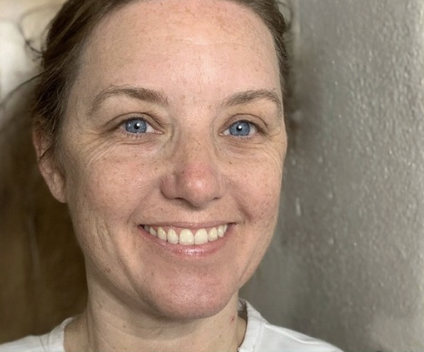 Kiernan Graves is the owner of Site & Studio Conservation. She graduated from the Courtauld Institute of Art with a Masters in the Conservation of Wall Painting. Her specializations are lime-based wall paintings and public art. She spent the first part of her career working on UNESCO World Heritage sites in Asia and Europe. In the US, her professional collaborations have included MoMA, SFMOMA, and the Getty Conservation Institute. Over the past year, she has enjoyed contributing to teaching and mentorship programs at the LA County Department of Arts and Culture, UCLA, and Sardis Archeological Exploration, as well as her involvement with Art Recovery LA, which helps fire-affected community members.
Jennifer Kim
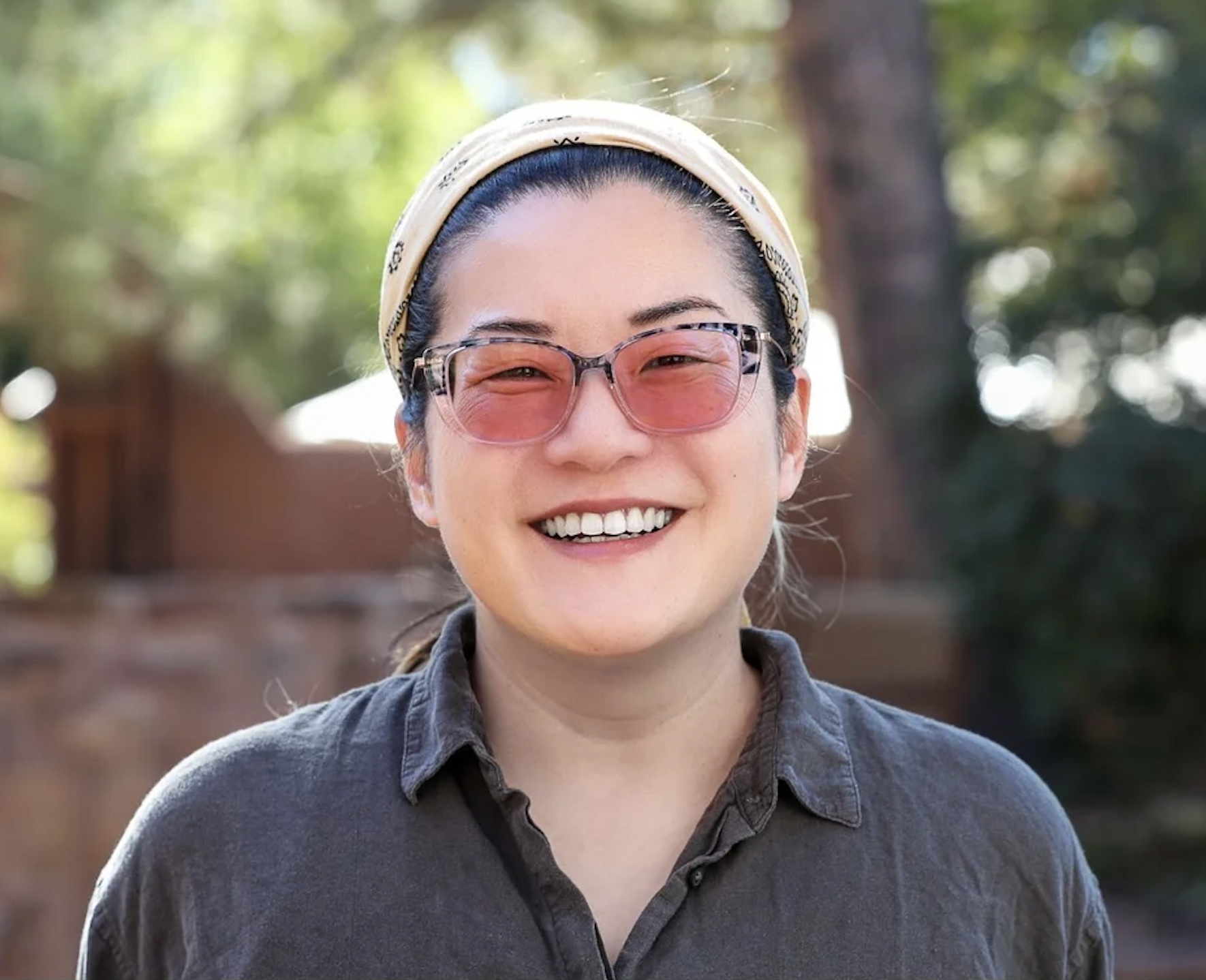 Jennifer is an objects conservator working with cultural and academic institutions, municipalities, and communities. Her focuses include conservation treatment, site preservation, exhibitions, preservation planning, grant writing, teaching, and research. Jennifer has an MA in Art History and Conservation from New York University. She has worked in private practice as well as at the Autry Museum of the American West, the Margaret Herrick Library, and the Archaeological Exploration of Sardis. She is the co-founder of Your Neighborhood Museum, a non-profit collective of museum professionals and heritage care specialists providing museum services directly to artists and culture workers and their communities.
Laura Maccarelli
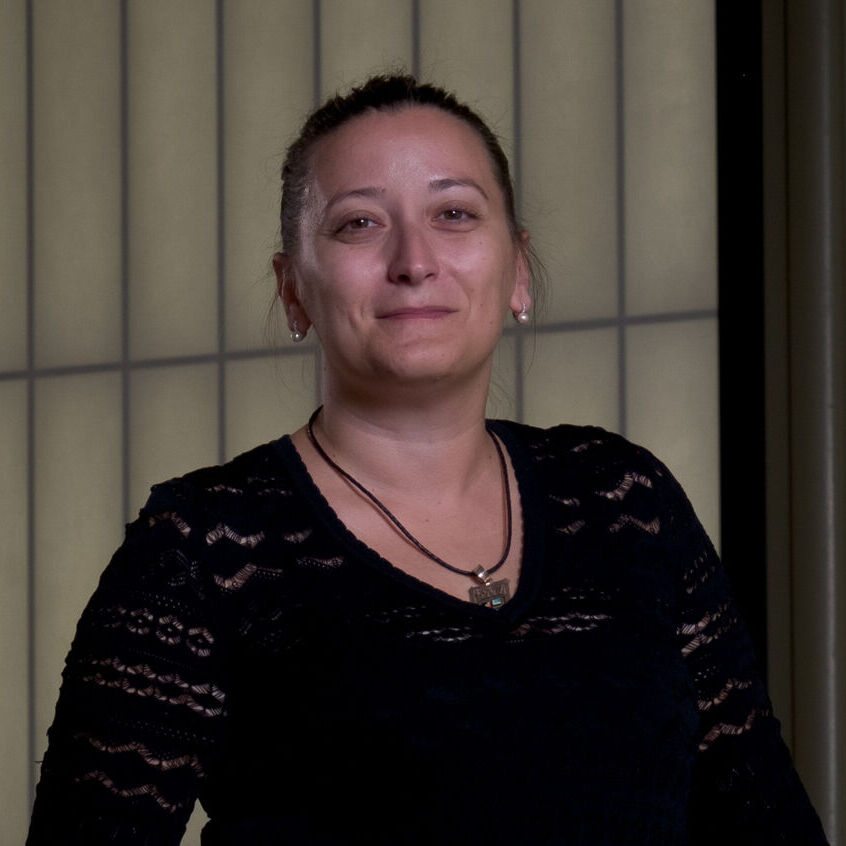
Laura Maccarelli, M.Sc. in Conservation Science from the University of Bologna, is the Andrew W. Mellon Head Scientist at the Los Angeles County Museum of Art (LACMA). She focuses on the material identification of art objects and leads research on paintings, 3D objects, textiles, and works on paper. Her expertise includes studying natural organic dyes on textiles using both destructive and non-destructive techniques. Maccarelli has published extensively and presented at international conferences, while also actively teaching and mentoring young scientists in the field of conservation.
Yosi Pozeilov
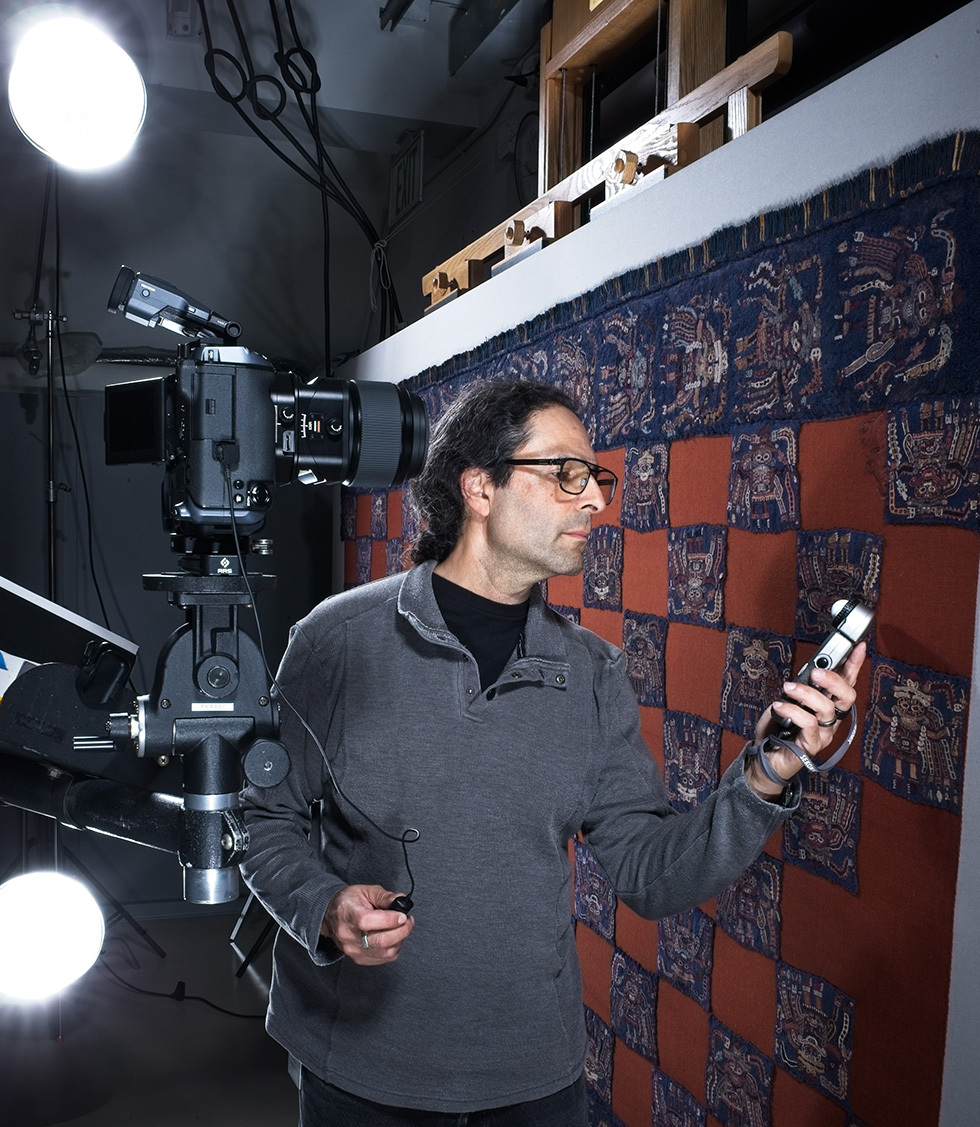 Yosi Pozeilov joined the Los Angeles County Museum of Art (LACMA), Conservation Center as the Senior Conservation Photographer in 2003 and currently holds the Managing Photographer and Imaging Specialist title. He oversaw converting the conservation photographic studio from film to a complete digital workflow; this digital implementation has encompassed all aspects of imaging and documentation at the center. In 2004 the American Institute of Conservation (AIC) invited him to teach his first workshop on digital photography for conservation at their annual meeting, since then, Yosi has continued to teach at different venues and programs like the UCLA/Getty Conservation Program, among others. Besides doing all the technical and scientific imaging for the conservation center, most recently at LACMA, Yosi has been implementing computational imaging techniques like Reflectance Transformation Imaging (RTI), photogrammetry, broadband and spectral imaging. He also established protocols to streamline condition reporting, implementing image-based condition reporting with the use of mobile technology and imaging-based systems on tablets.
Branden Cesare Rizzuto
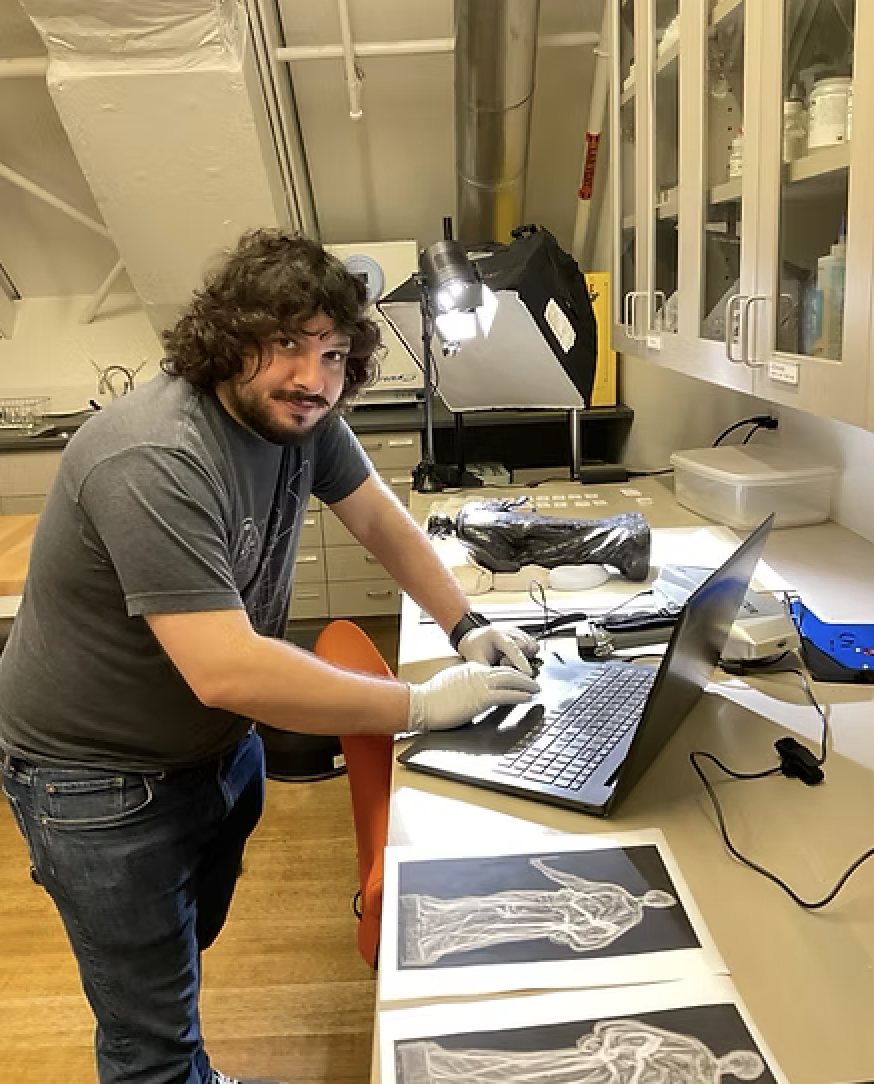 Branden Cesare Rizzuto (Department of Anthropology, University of Toronto) is a PhD Candidate in the Department of Anthropology at the University of Toronto and is one of the X-ray fluorescence spectrometry (XRF) experts on the Bernini’s Bronzes Project. Branden’s dissertation research focuses on pre-Columbian metallurgy of the Central Andes, with a specific emphasis on investigating the technological aspects of metallurgy and its interrelationships with political and religious institutions on the North Coast of Peru during the Middle Horizon Period (ca. 600 – 1000 CE). Branden’s expertise includes the material analysis of archaeological and historical metals/alloys. He has extensive experience conducting research on these materials through his involvement with a diversity of research projects spanning the disciplines of archaeology, museum studies, and art history.
Affiliated Faculty
Jane Bassett
Senior Conservator and Department Head, Decorative Arts and Sculpture Conservation, J. Paul Getty Museum

Bronze casting techniques Medieval to Modern. Technical study of bronze, terracotta, polychrome and marble sculpture. Preventive care of silver, stained glass and tapestries.
Contact Information
Email: jbassett@getty.edu
Phone: 310.440.7177
Susanne Gänsicke
Senior Conservator of Antiquities and Department Head of Antiquities Conservation at the J. Paul Getty Museum.

Ancient Mediterranean and Nile Valley material culture, site preservation, relocation of monumental sculptures, materials and manufacturing techniques of ancient and historic metalwork, and the intersection of traditional craftsmanship and conservation. She is a team member of the conservation project “The auloi from Meroë, Sudan” at the Museum of Fine Arts, Boston.
Contact Information
Email: sgaensicke@getty.edu
Phone: (310) 440 7121

Contact Information
Email: tlearner@getty.edu

Technical studies; Non-invasive spectroscopies (XRF, Raman, FORS) and imaging technologies; reverse engineering of historic artistic practices; elucidation of pigment degradation pathways; fostering communication between scientists, conservators and curators.
Contact Information
Email: ktrentelman@getty.edu
Academic Contributors
Emeritus Faculty
Ellen Pearlstein
Emeritus Professor, Information Studies and the UCLA/Getty Program in the Conservation of Cultural Heritage

Plant materials used as paint binders or patination materials on cultural objects; indigenous communities and conservation decision-making; the developing role of preventive conservation; conservation education.
Contact Information
Email: epearl@ucla.edu

Analysis of museum objects, the characterization of pigments, ancient metals and microstructure, the teaching of conservation, and the archaeometallurgy of preHispanic Colombia and Ecuador
Contact Information
Email: dascott@g.ucla.edu

